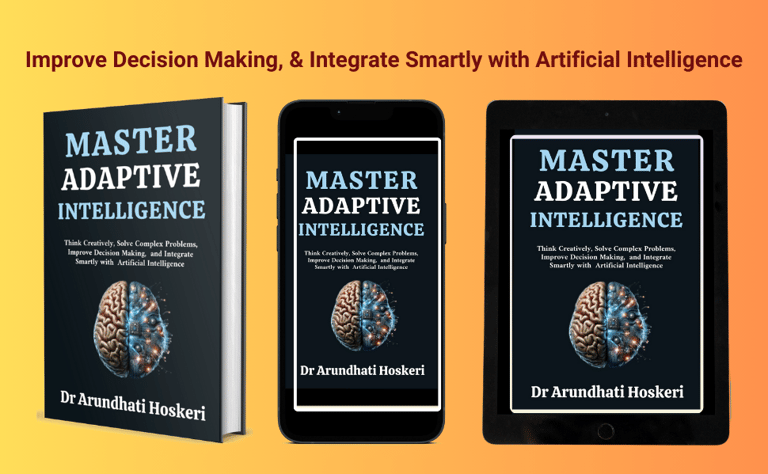
The Power of Adaptive Intelligence: Combining Human and AI for a Better Future
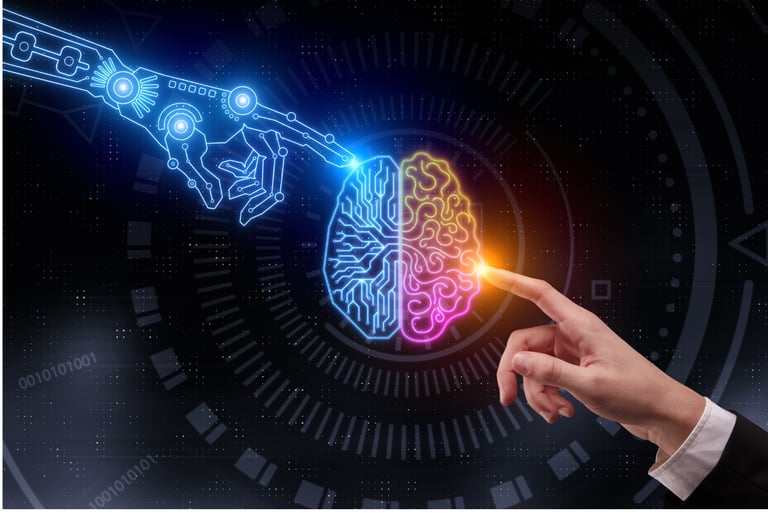
Human intelligence is naturally adaptive. We constantly learn from our experiences, modify our behaviors, and develop new skills to meet changing circumstances. However, with the advent of artificial intelligence (AI), we have the opportunity to enhance our adaptive intelligence by synergizing it with machines' capabilities.
AI systems are designed to mimic aspects of human intelligence. They can quickly process vast amounts of data, recognize patterns, and make predictions. When we combine human and artificial intelligence, we can leverage both strengths to achieve more significant outcomes.
One way to synergize human intelligence with AI is through collaborative decision-making. For example, AI can analyze medical records and research data in healthcare to suggest potential diagnoses and treatment plans. Doctors can then use their expertise and judgment to make final decisions, considering the AI's suggestions alongside their knowledge of the patient. This collaboration enhances diagnostic accuracy and improves patient care.
AI can handle repetitive tasks in the workplace, freeing humans to focus on more complex and creative activities. For instance, in finance, AI algorithms can manage routine transactions and detect fraud, while human analysts can concentrate on strategic planning and problem-solving. This synergy allows for more efficient operations and innovative solutions to business challenges.
Education is another field where human and artificial intelligence can work together effectively. AI-powered tools can provide personalized learning experiences for students, adapting to their individual needs and pace. Teachers, in turn, can use these insights to offer targeted support and enrichment, fostering a more inclusive and effective learning environment.
Moreover, AI can enhance human creativity by providing new tools and resources. For example, AI can generate music, design graphics, or even write stories in the arts. Artists and creators can use these AI-generated elements as inspiration or building blocks for their work, leading to novel and diverse creations.
Adaptive intelligence involves a few key components. First, it requires an openness to new information and experiences. People or systems with adaptive intelligence are not rigid; they can incorporate new data and modify their approach accordingly. This means abandoning outdated methods or ideas in favor of more effective ones.
Second, adaptive intelligence involves critical thinking and problem-solving skills. It is not enough to take in new information; one must also analyze it, understand its implications, and apply it practically. This ability to process and use information effectively is crucial for adapting to new challenges.
Third, resilience plays a significant role in adaptive intelligence. Adapting to change often involves facing setbacks and failures. Those with adaptive intelligence do not get discouraged by these obstacles. Instead, they see them as opportunities to learn and improve. Resilience helps individuals and systems bounce back from difficulties and continue progressing.
One everyday example of adaptive intelligence is seen in how people manage their careers. In today's fast-paced world, job roles and required skills constantly evolve. Someone with adaptive intelligence will continuously learn new skills and adapt to new roles as the job market changes. This might involve taking courses, seeking mentorship, or learning on the job. Their ability to adapt ensures they remain valuable and effective in their careers.
Another example in the technology field is adaptive intelligence, which is crucial for developers who need to constantly update their skills to keep up with the rapidly changing industry.
For this synergy to be successful, it is crucial to maintain a balance between human and artificial intelligence. Humans bring empathy, ethics, and emotional understanding, essential for making well-rounded decisions. AI contributes speed, precision, and the ability to process large datasets, complementing human capabilities.
Ethical considerations are also paramount when integrating AI into human activities. Ensuring AI systems' transparency, accountability, and fairness prevents biases and maintains trust. Humans must guide the development and deployment of AI with these principles in mind, ensuring that the technology serves the greater good.
Adaptive intelligence is also essential in managing global challenges such as climate change. Solutions require flexible thinking and the integration of new scientific findings and technological advancements. Policymakers, scientists, and communities must collaborate and adapt their strategies to mitigate impacts and develop sustainable practices.
In summary, adaptive intelligence is the capacity to learn, adjust, and solve problems flexibly. By synergizing human intelligence with AI, we can enhance our abilities in various fields, from healthcare and finance to education and the arts. This collaboration allows us to leverage the strengths of both humans and machines, leading to more efficient, innovative, and inclusive outcomes. Ensuring ethical considerations and maintaining a balance between human and artificial intelligence are key to maximizing the benefits of this synergy.